


 When the power goes out in Wilmington, NC, and the surrounding area in Southeastern North Carolina, having a backup plan is essential. Hurricane season, severe thunderstorms, and even winter ice can leave your home without electricity for hours or even days.
While many homeowners consider a portable generator, a whole-house standby generator offers a far more reliable and comprehensive solution.
Understanding the differences between these two options is the first step toward securing your family’s comfort and safety during an outage. This guide will walk you through the key distinctions to help you make an informed decision for your Southeastern North Carolina home.
The primary difference lies in their design, power, and convenience.
A portable generator is a smaller, movable unit that runs on gasoline or diesel. It can power a few essential appliances, like a refrigerator and some lights, by connecting them with extension cords. While they are less expensive upfront, they require manual setup during an outage, frequent refueling, and can be noisy and produce hazardous fumes.
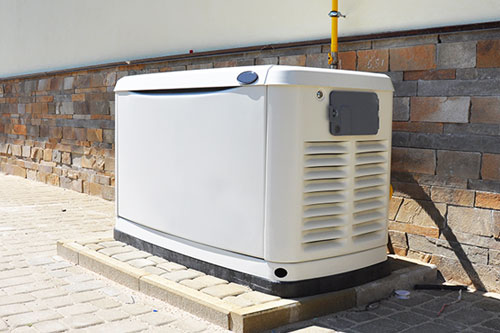
A standby generator, also known as a whole-house generator, is a permanent installation. It’s wired directly into your home’s electrical system and sits outside, much like an HVAC unit. When it detects a power outage, it automatically turns on within seconds, restoring power to your entire home or pre-selected circuits.
Standby generators offer seamless, automatic protection. Here’s a quick overview of the process:
While portable generators typically run on gasoline or diesel, most standby generators use propane or natural gas. Propane offers significant advantages, making it the ideal fuel for reliable backup power.
Choosing the right generator is a big decision, but you don’t have to make it alone. At Parker Gas, we are proud to be an authorized Briggs & Stratton dealer, offering top-quality whole-house standby generators that homeowners across Southeastern North Carolina trust.
Our team provides more than just the generator. We offer a complete, hassle-free solution, including:
Don’t wait for the next storm to leave you in the dark. A Briggs & Stratton propane standby generator from Parker Gas provides the safety, security, and convenience your family deserves. Protect your home and enjoy uninterrupted power, no matter what the weather brings.
Contact Parker Gas today to get a free estimate on a whole-house standby generator for your home in Wilmington, Fayetteville, Clinton, or the surrounding areas.
Choose which optional categories this site may use. Necessary cookies stay enabled so core functionality can continue to work. Review our Privacy Policy and Cookie Policy for more detail.
Required for core website functionality, security, forms, login, and similar essential behavior.
Enables enhanced features such as embedded videos, maps, chat tools, and other third-party content.
Helps measure site traffic and performance.
Used for advertising, remarketing, conversion tracking, and campaign measurement.